How is virtual reality changing the stage?
From Venice's virtual reality section to the RSC's online play and ABBA Voyage: the technologies entering the stage, what they do and where they stand.
WyvOne Editör ·
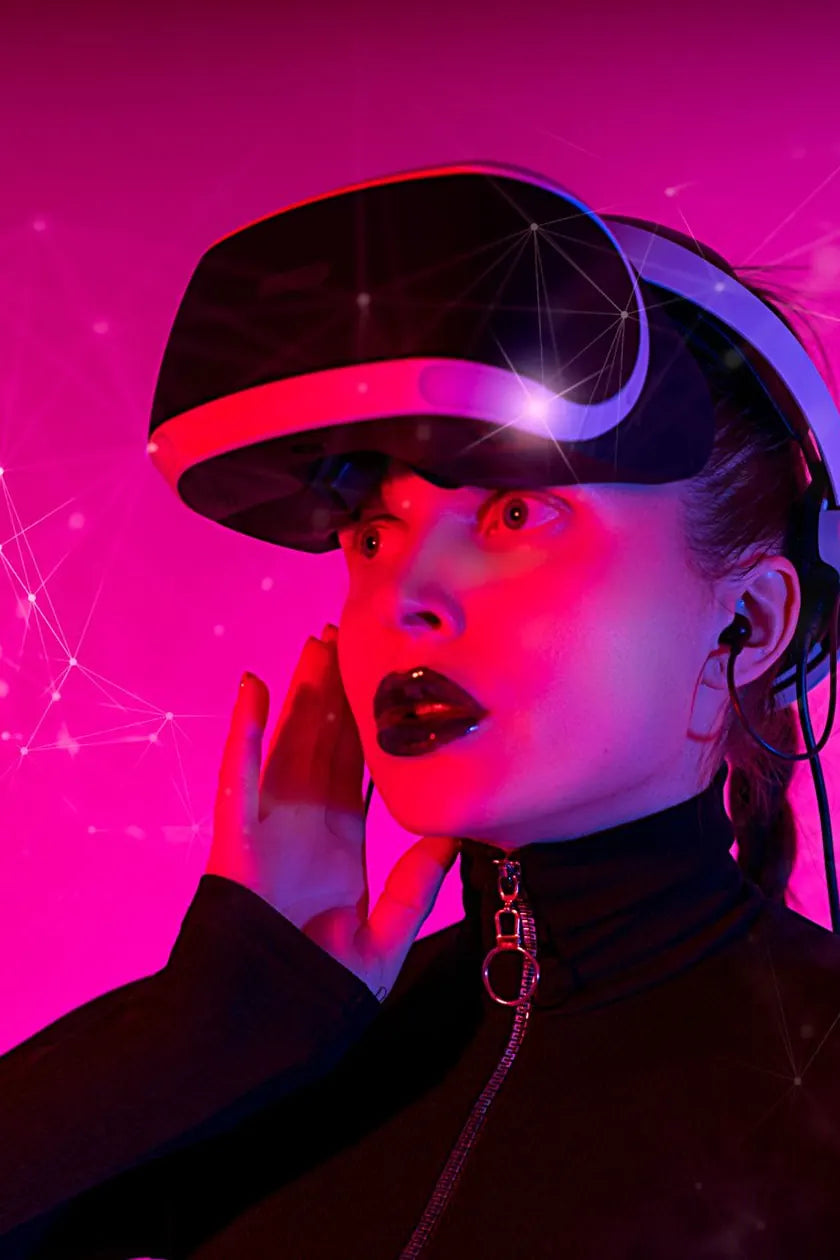
In March 2021, a ten-performance Shakespeare adaptation was staged without a single audience member in the house. In the Royal Shakespeare Company's (RSC) Dream, seven actors wore motion-capture suits and performed in a virtual midsummer forest, while the audience watched from their browsers. By the producers' own account, these ten performances reached 65,000 people around the world.
This example also shows why the sentence "virtual reality is changing the stage" needs to be put carefully. Dream was not a virtual reality headset piece. It was a live broadcast watched on a phone, tablet or computer. The technologies entering the stage get mixed together; it is necessary to separate what each one does.

Live play, but somewhere else
According to the RSC's announcement, Dream ran from 12 to 20 March 2021 and lasted 50 minutes. There was a free viewing ticket; with a £10 ticket, viewers could guide Puck through the forest on screen as fireflies. The music also responded to the actors' movements. The work was made with the Manchester International Festival, Marshmallow Laser Feast and the Philharmonia Orchestra, and was supported under the UK's Audience of the Future programme.
What changes here is where the audience is. The actors perform live, but the play lives not in a theatre but inside a game engine. According to Marshmallow Laser Feast's project page, the production was planned in spring 2020 for both the theatre and online; when theatres closed, it was rebuilt as online only.
Festivals are taking the headset seriously
As for works viewed with a headset, this field is now part of the festival programme. Venice Immersive, the virtual reality section of the Venice Film Festival, takes place on 2-12 September in 2026. According to the Biennale's announcement, this year there are 68 projects from 26 countries; 30 are in competition, 22 of them world premieres. The out-of-competition section includes 35 projects, 26 of which are independent worlds made on the social platform VRChat, shown through guided tours.
The conditions of the section are interesting too. Access is limited to those with festival accreditation and to people over 18. The screenings take place on the island of Lazzaretto Vecchio, reached by a short boat trip from the Lido. In other words, a virtual reality work is shown not to a crowded hall but to small groups wearing headsets one by one. This is a limit that runs directly against the number of viewers a film or a play can reach.
ABBA Voyage: close, but different
ABBA Voyage in London is often mentioned together with virtual reality; yet there are no headsets. The band members performed a 22-song set in motion-capture suits in front of about 160 cameras, and Industrial Light & Magic prepared the footage. The resulting digital ABBA is shown on a 9.5-metre LED screen, with a 10-piece live band playing on stage. So the audience is in a shared hall, looking with the naked eye.
According to the same source, the show opened in May 2022, had sold more than 1.5 million tickets by September 2023, and is currently extended until 28 February 2027. For the current schedule, check the page where tickets are sold. The $175 million cost figure circulating in the press is also unverified.
Where it stands, and where it doesn't
The three examples do three different things. The live play in the browser removes the venue and multiplies the audience. The headset works put the viewer alone inside a world, but cannot be shown to many people at once. ABBA Voyage brings the virtual into a real hall and gathers a crowd, but this takes heavy investment, a purpose-built venue and years of preparation.
For a small company or an independent artist, all of these are out of reach. Closer options are small works that can be built with a broadcast or with ready-made platforms such as VRChat. That Venice gives such worlds a place in its out-of-competition section also shows this. But it does not mean they are replacing the stage; for now, virtual reality looks like a separate medium added alongside the stage.
Sources
- La Biennale di Venezia: Venice Immersive 2026 selection and competition announced (2026)
- Royal Shakespeare Company: Dream press release (February 2021)
- Marshmallow Laser Feast: Dream project page
- Wikipedia: ABBA Voyage (accessed 6 November 2026)
- ABBA Voyage official website (accessed 6 November 2026)


