How should a makeup artist present their work?
How many images a portfolio should hold, how to credit people, and how to talk about prices and kit fees: a sourced guide.
WyvOne Editör ·
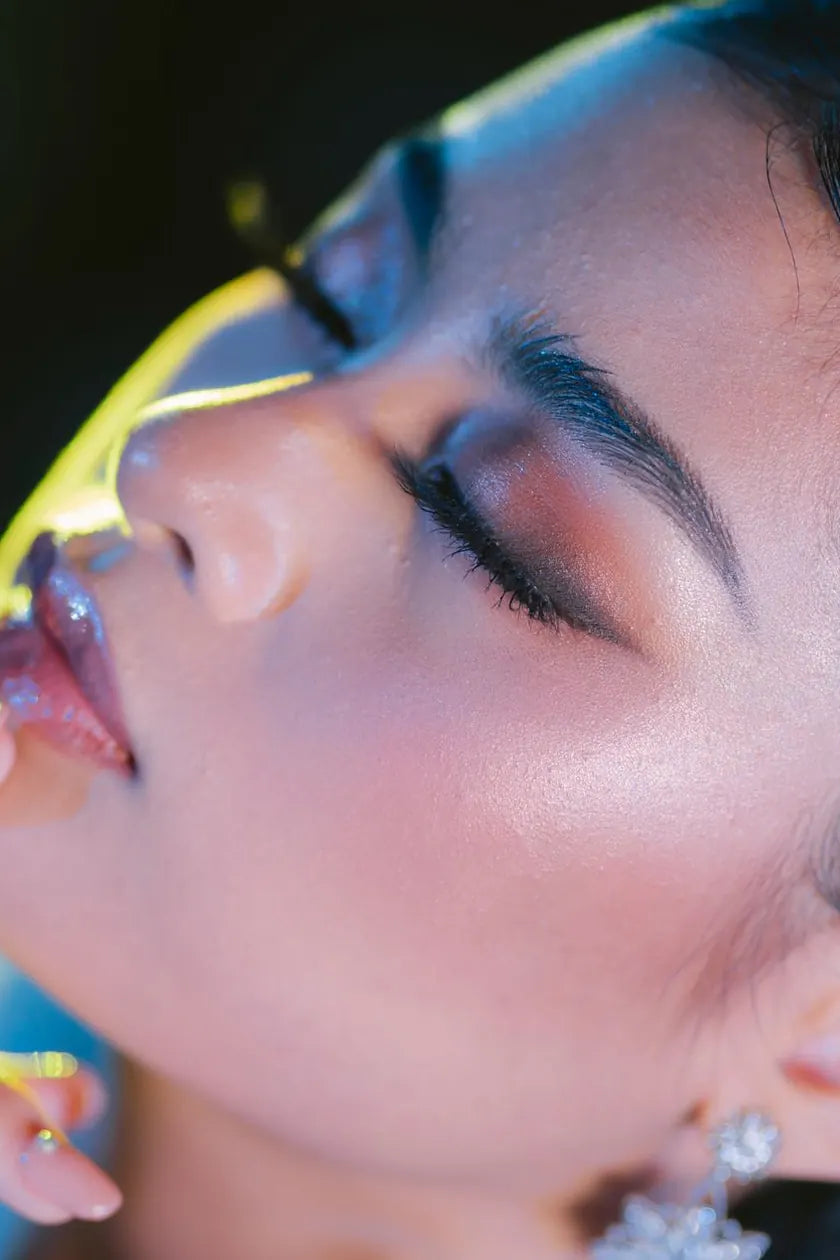
A makeup artist's work tends to get lost inside a photograph. The image also belongs to the photographer, the model and the clothes the stylist chose. So when preparing a portfolio, the first question should be not only "does it show the work?" but "who contributed what to this piece?" This article brings together the recommendations of sources such as Kryolan, Wix and Wrapbook and the definition of explicit consent from the Kişisel Verileri Koruma Kurumu (the Personal Data Protection Authority). It is not legal advice.
Portfolio: few images, but clear
According to an article in Kryolan's "Pro Talk" section, you should build up 15 to 20 strong images before opening a web portfolio; choosing about three images from each shoot helps show work from different angles and depths. On the Wix blog, Rebecca Tomasis gives a wider range: about 10 to 20 photos, each showing a different look. Both arrive at the same place: a small number of well-chosen pieces, not a lack of them.
Grouping the work is also recommended: headings such as bridal, fashion, special effects and everyday. Wix recommends writing a short description for each look (concept, products used, technique) and updating the portfolio at least every three months. Kryolan says to leave out images that do not show the makeup well or are of poor quality, as well as typos, and not to use before-and-after photos in fashion and editorial portfolios (it says these suit bridal and special occasion work).
For someone who has no clients yet, both sources point the same way. Kryolan recommends doing collaborative shoots with new photographers, models, stylists and hairdressers, and asking agencies for new-face shoots. Wix finds it enough at the start to photograph friends and family and to use natural window light with a simple background.
The order is also a decision. Kryolan recommends putting makeup-driven, flawless natural-skin and simple editorial work first, and placing creative and avant-garde work at the back of the book. It asks for 300 dpi resolution in a printed book. Wix recommends adding a contact form or booking feature so that it needs no extra clicks, and showing client reviews alongside photos. Kryolan has one more suggestion: take the book to shoots and events and show it to experienced makeup artists.
Credit and permission
The most concrete rule in the Kryolan article is this: get written permission from the photographer for every image, and ask the photographer which credits to write alongside the model. On published pages (tear sheets), name the head makeup artist and credit everyone who contributed. If you only assisted, do not claim all of the makeup; credit the lead artist clearly. On social media, tagging the models, photographers and brands you worked with is recommended for both credibility and connection. Asking the team before sharing behind-the-scenes images is on the same list.
For client work, Kryolan recommends asking permission before photographing the client's skin and makeup. For the idea of permission, the official definition in Türkiye is also a guide. The Personal Data Protection Authority defines explicit consent as "consent related to a specific subject, based on information and expressed with free will." The Authority does not require consent to be written, but it leaves the burden of proving it was obtained on the data controller, and a person can withdraw consent at any time. So it makes sense for an artist who uses client photos to discuss in advance and clearly what will be shared, where and for how long. We could not verify whether a makeup artist would count as a "data controller" under this law; if needed, a lawyer should be consulted.
Price and kit fee
Wix recommends listing services with clear prices or adding a "get a quote" button; the source gives no specific figure, and neither do we. On the film and production side, there is the concept of a kit fee. According to Wrapbook's guide updated in May 2025, this is a payment, separate from the daily rate, that a crew member receives for letting the production use their own equipment. It can be set per day, per week or per project. The guide says hair and makeup departments often charge kit fees, because artists carry a wide inventory, including brushes, hair products, skin care supplies and adhesives. Its advice is to talk to the production before the shoot and to document the contents of the kit.
It seems reasonable to put this fee in a contract, with payment and cancellation terms; but because we could not find a reliable source in Türkiye on deposits and cancellation for makeup services, we do not write a concrete rule on them.


